 Lightning Tracker
App Store
Home and everyday
Can you shower during a thunderstorm? Plumbing, plastic pipes and the wait
November 19, 2026 · 5 min read
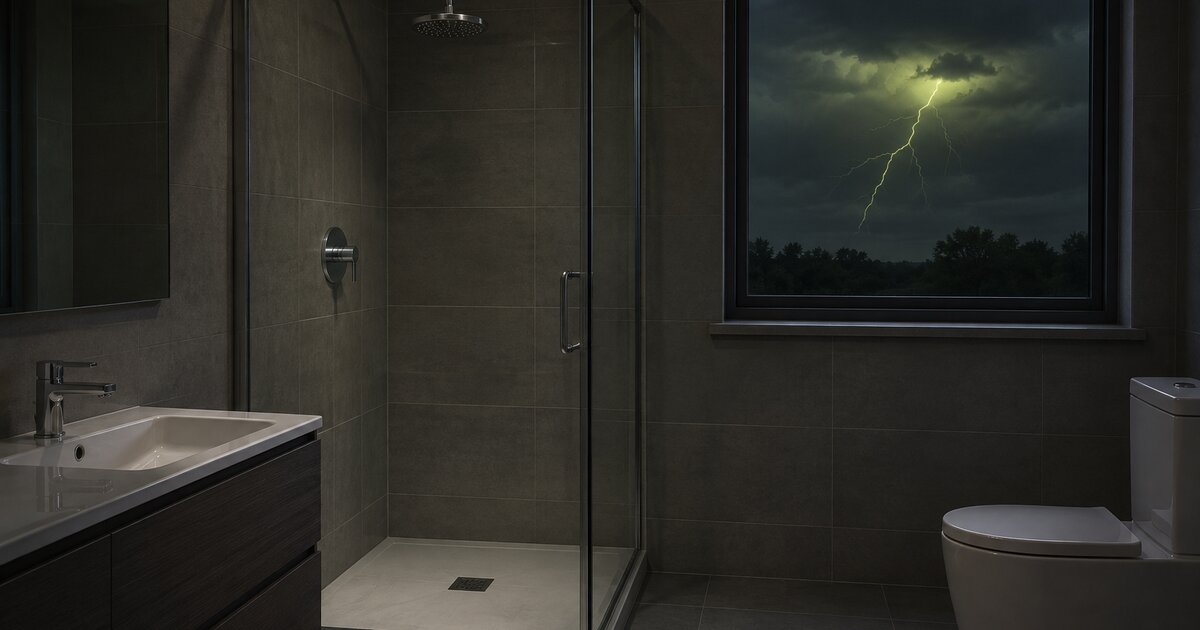
No. The Centers for Disease Control and Prevention (CDC) says not to bathe, shower, wash dishes or have any other contact with water during a thunderstorm, because lightning can travel through a building’s plumbing; its guidance is dated June 16, 2026. The National Weather Service (NWS) says it in fewer words: avoid plumbing, and do not wash your hands, take a shower or wash dishes. The CDC adds that plastic pipes might lower the risk compared with metal ones, and still advises avoiding running water.
Lightning can reach a shower through the pipes, the wiring or the ground
The NWS names three main ways lightning enters a structure: a direct strike, wires or pipes that extend outside it, and the ground. Once inside, it says, the current can travel through the electrical, phone, plumbing and radio or television reception systems. NOAA’s lightning FAQ answers the indoor question directly: if a bolt strikes the house or a nearby power line, it can travel into the house through the plumbing or the electric wiring.
NOAA’s JetStream lightning safety page explains why that is also the reason to stay out of the bathroom. It calls a large enclosed structure with plumbing and electrical wiring the best place to be in a thunderstorm, because if lightning strikes the building, the plumbing and wiring conduct the electricity more efficiently than a human body. The same page says not to take a shower or bath, since water and metal both conduct electricity.
James Rawlings of Nottingham Trent University gave the plain-language version in The Conversation on August 17, 2022: a shower supplies both water and metal, which makes it an ideal path for current from a strike on the house. He also wrote that, apart from someone sitting in a bath outside or showering in the rain, a person is “incredibly unlikely” to be struck.
Records of injuries inside U.S. homes list plumbing 19 times in 169 events
Lightning researcher Ronald Holle counted the cases in a 2009 paper for the American Meteorological Society’s conference on lightning data. He gathered 169 events in which people were injured inside U.S. homes, taken from newspapers, web reports, broadcasts and NWS Storm Data, mainly from the 20 years before the paper. The first table shows the six contacts and places he singles out; the paper’s full table has many more rows.
| Contact or place | Events |
|---|---|
| Wiring connected to an electrical device | 42 |
| Telephone | 26 |
| Doorway | 20 |
| Plumbing | 19 |
| Garage | 19 |
| Window | 10 |
The 19 plumbing events were spread over several fixtures and jobs, and the shower was not the most common.
| Fixture or job | Events |
|---|---|
| Toilet | 6 |
| Faucet or sink | 5 |
| Shower | 4 |
| Washing machine | 2 |
| Installing a water heater | 1 |
| Repairing bathroom plumbing | 1 |
Holle warns that the cases come from reports, and that “the random nature of the dataset precludes the conversion to an absolute rate for each scenario”; the relative counts, he writes, still show which kinds of events are more common. So the table shows which routes appear in the records, not the chance of being hurt in a shower. He adds that most of the injuries were minor, though they can have significant long-term effects.
Deaths indoors are rarer still. Holle found 21 events since 1992 in which people died inside U.S. homes, with 31 deaths, and all but three followed a house fire. One of the other three was a woman in her bathroom, entered with the note that lightning may have traveled through the plumbing. He also cites NOAA Storm Data for 1991 to 1994, which put every kind of indoor location at 4 percent of U.S. lightning deaths and 12 percent of injuries, against 29 percent and 61 percent about a century earlier.
Plastic pipes: the CDC says the risk might be less, and still says to avoid the water
The CDC says the risk of lightning traveling through plumbing “might be less” with plastic pipes than with metal ones, and in the next sentence says it is “best to avoid any contact with plumbing and running water” during a lightning storm. The NWS’s Lightning Indoors page gives the same instruction without distinguishing pipe materials. The CDC gives no figure for how much less, and a shower or bath still means standing in running water, which the CDC lists among the things to avoid.
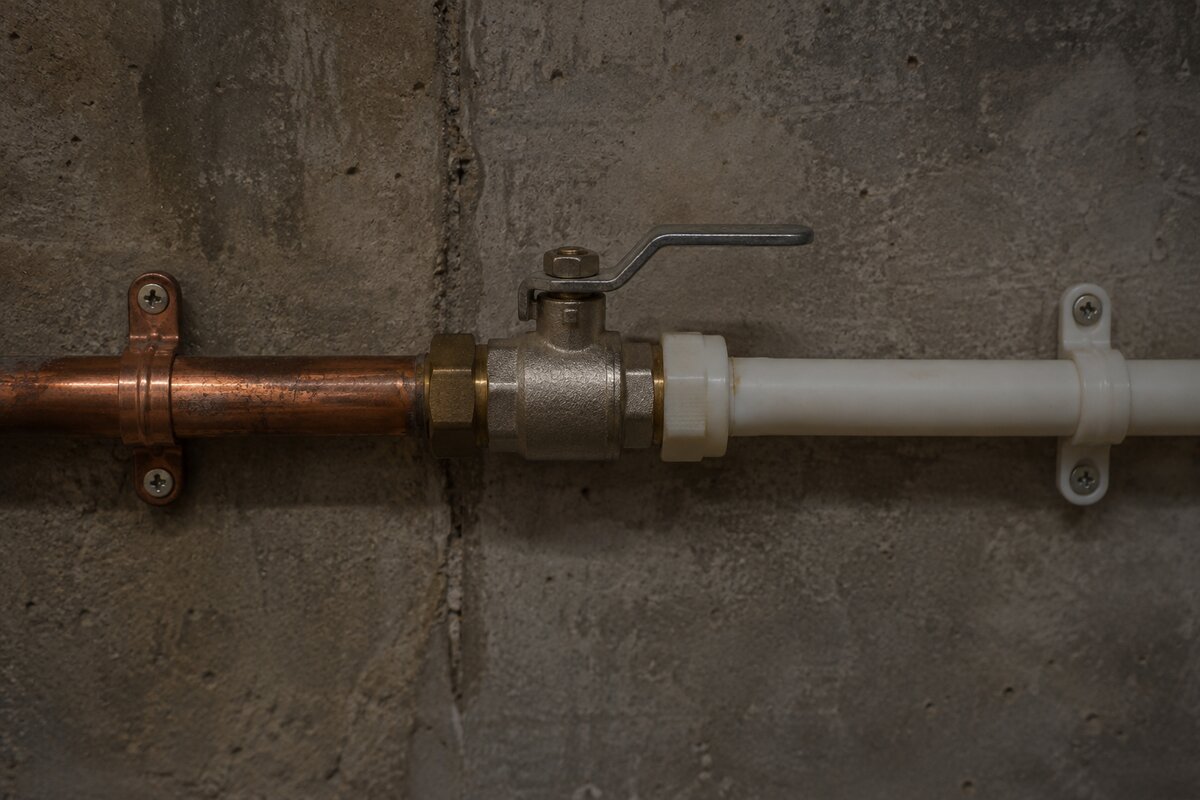
Environment and Climate Change Canada gives a reason that does not depend on the pipe: it says water is an electrical conductor, so if lightning strikes nearby, the charge may travel through the pipes. The agency says to delay a shower, a bath or washing dishes by hand during a thunderstorm. A Met Office article on UK thunderstorms says to avoid using plumbing, landline phones and touching metal objects.
Apartments, hotels, wells, baths, toilets and dishes follow the same advice
The CDC and NWS wording covers a building’s plumbing and any contact with water: the CDC names bathing, showering and washing dishes, the NWS adds washing hands, and NOAA’s JetStream page names sinks, baths and faucets. None of these pages makes an exception for an apartment, a hotel room or a house on well water. Holle’s counts include toilets (six events) and faucets or sinks (five) beside showers (four), so the fixtures the agencies list are the ones that appear in the records.
Laundry runs through the wiring as well as the pipes. The CDC says not to use anything connected to an electrical outlet, such as computers, laptops, game systems, washers, dryers or stoves.
When you can shower again: 30 minutes after the last thunder
The NWS says to wait 30 minutes after the last lightning or thunder before going back outside, and the CDC says not to resume outdoor activities for at least 30 minutes after the storm. Environment and Climate Change Canada’s fact sheet says to stay inside for 30 minutes after the last rumble of thunder. These rules are written for deciding when to go outdoors, and none of the agency pages gives a separate wait for plumbing. Rawlings gives half an hour after the final thunderclap for returning to the shower, which matches them. Read together, the sources point to the same count: start it at the last thunder, and put the shower, the bath or the dishes off until it ends.
Each new rumble restarts the count, so a storm that lingers can hold off a shower for well over half an hour. A 30-minute lightning timer keeps the count when you are busy with something else.
Lightning Tracker, an iPhone app, starts its own 30-minute wait after the last strike it detects inside the radius you set, and starts it again with each new strike. When the wait ends, the app reports what it saw and leaves the call to you; it does not declare the storm over. Detection networks miss some strikes, especially weak ones, so thunder you hear restarts your own count even if the app shows nothing nearby.
Not a substitute for official weather warnings.
If you hear thunder, seek shelter even if the app shows no nearby strike.
Sources
- Centers for Disease Control and Prevention, Safety Guidelines: Lightning
- National Weather Service, Lightning Indoors
- National Weather Service, Overview: Lightning Safety
- NOAA JetStream, Frequently Asked Questions
- NOAA JetStream, Lightning Safety
- American Meteorological Society, Fourth Conference on the Meteorological Applications of Lightning Data (R. L. Holle, 2009), Lightning-caused deaths and injuries in and near dwellings and other buildings
- Environment and Climate Change Canada, Lightning safety overview
- Environment and Climate Change Canada, Lightning safety and preparedness fact sheet
- Met Office, Will UK thunderstorms become more extreme as our climate changes?
- The Conversation (August 17, 2022), James Rawlings on showering during a thunderstorm