 Lightning Tracker
App Store
Lightning safety
A 30-minute lightning wait timer, and when to restart it
November 11, 2026 · 5 min read
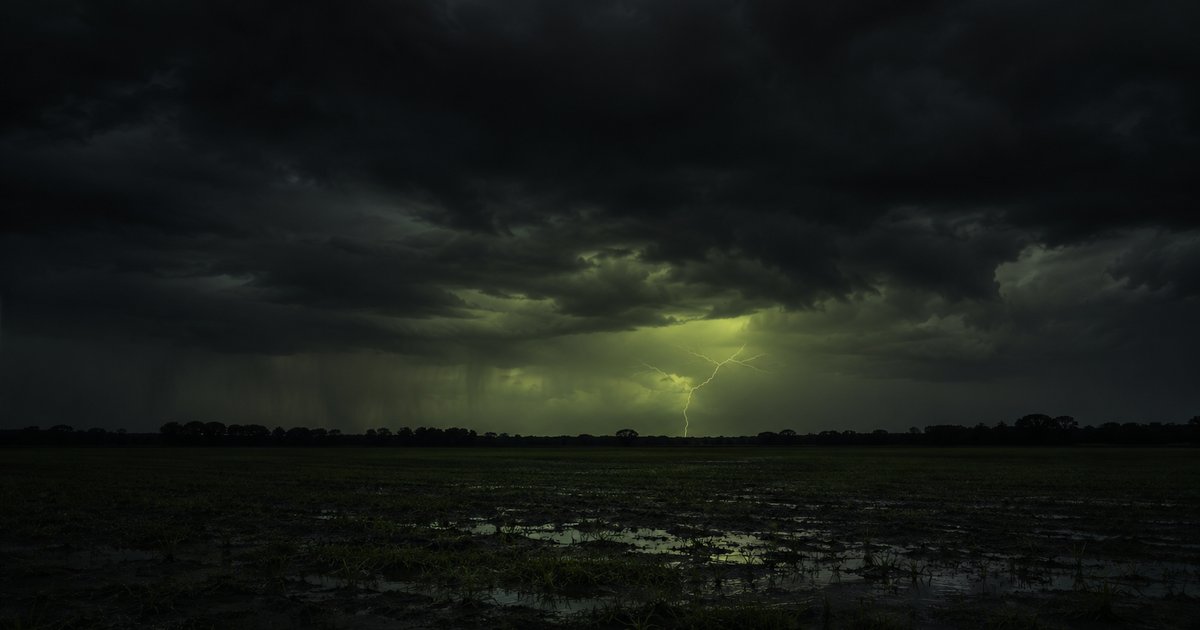
Start the timer at the last thunder you heard or lightning you saw, press restart each time either happens again, and treat zero as the moment to look and listen before going out, not as proof that the storm is over. The National Weather Service tells people to wait 30 minutes after the last lightning or thunder before going back outside, and the timer below counts that wait from whatever you record.
30:00
Count 30 minutes from the last thunder or lightning, and start over with each new one.
This timer counts only what you record. It does not detect lightning, and it cannot tell you that a storm is over.
How to run the 30-minute timer
The timer has three buttons. “Start the 30 minutes” begins the count when you press it, so press it right after the last thunder or flash you noticed, not when the rain stops. “Thunder or lightning again: restart” sets the clock back to 30:00 and keeps a tally of restarts, and “Clear” stops the count and returns the page to its starting state.
The page keeps the end time in your browser, so reloading it or locking your phone does not lose the count, and nothing is sent anywhere. If your browser blocks storage, the timer runs only while the page stays open.
At a practice, a camp or a job site, one person should hold the timer. The National Weather Service says a lightning safety plan should name someone to monitor the weather and that this person should not be the coach, umpire or referee, because those people will be busy. The National Federation of State High School Associations (NFHS) guidelines of October 2024 give the assigned staff member the job of suspending outdoor activities and deciding when to resume them.
When the 30 minutes start over
The NWS lightning safety overview says to wait 30 minutes after the last lightning or thunder, so each new rumble or flash moves the starting point. The NFHS guidelines say so outright: any subsequent thunder or lightning after the count begins resets the clock, and another 30 minutes begin. The National Athletic Trainers’ Association (NATA) position statement of 2013 restarts its clock for each flash within 5 nautical miles (about 5.75 miles, or 9.3 km, our conversion) and each time thunder is heard.
Every source above counts thunder you hear. The NWS outdoor sports page says thunder can usually be heard about 10 miles (16 km) away when there is no background noise, and that traffic, wind and precipitation may cut that distance, so a rumble is reason enough to press the button. A flash with no thunder is less clear. NATA counts only flashes within 5 nautical miles, and the NFHS adds a note for night events: if no thunder can be heard and the flashes are low on the horizon, the storm may not pose a threat, and independently verified detection information would help eliminate the uncertainty. The timer cannot tell a near flash from a far one, so you judge the distance yourself, for example from the seconds between a flash and its thunder.
Why the wait is 30 minutes
The NWS outdoor sports page says electrical charges can linger in clouds after a thunderstorm has seemingly passed, and that experts agree people should wait at least 30 minutes after the last thunder before resuming outdoor activities. The NATA statement attaches a number to waiting 30 minutes: it says that waiting 30 minutes after hearing any thunder or seeing any lightning yields 90% to 95% confidence that no more lightning will occur. By that figure the wait lowers the chance of another flash and does not remove it (our reading). The same statement cites research that fatalities occur at about equal rates at the onset, the middle and toward the end of a thunderstorm.
The wait has an older form, the 30-30 rule: a 2002 fact sheet hosted on the NWS Houston/Galveston office’s pages pairs a flash-to-thunder count of 30 seconds or less, which it calls close enough to be dangerous, with waiting 30 minutes or more after the lightning flash before leaving shelter. The NWS overview now tells people to get inside as soon as they hear thunder.
What zero does and does not mean
At zero, the page says 30 minutes have passed since the last thunder or lightning you recorded and tells you to look and listen before going out. That is a reminder to reassess, and it does not say the storm is over or that the threat has ended. Three limits explain why. The timer counts only what you record, so a rumble lost in traffic noise or a flash behind a building never restarts it. The NWS outdoor sports page and the NFHS word the wait as a minimum, “at least 30 minutes,” and NATA’s figure stops short of certainty. And the NFHS says sight and sound take precedence over any app or detection device, so new thunder at zero means pressing restart.
The NFHS text calls itself a default for high school sports and names the state association and the nearest NWS office as the preferred sources for a facility’s own policy, so the rule behind a youth or school sports delay is the one your league has adopted.
How the app’s wait differs from this timer
This page’s timer counts only what you record. Lightning Tracker, an iPhone app free on the App Store, runs its own 30-minute wait from detected strikes instead: the wait starts after the last strike detected inside the alert radius you set for a place (10 miles, or 16 km, by default) and restarts with each new one. When it ends, the app reports what it observed and asks you to judge conditions yourself; it does not announce that the storm is over. Because detection networks miss some strikes, especially weak ones, your own ears stay part of the system: if you hear thunder, restart this timer whatever the app shows. The app does not replace official warnings or local procedures.
Not a substitute for official weather warnings.
If you hear thunder, seek shelter even if the app shows no nearby strike.
Sources
- National Weather Service, Overview: Lightning Safety
- National Weather Service, Lightning Safety and Outdoor Sports Activities
- National Athletic Trainers’ Association, Walsh et al., Position Statement: Lightning Safety for Athletics and Recreation, Journal of Athletic Training, 2013
- National Federation of State High School Associations, Sports Medicine Advisory Committee, Guidelines on Handling Practices and Contests During Lightning or Thunder Disturbances (PDF, October 2024)
- Lightning Safety Facts, fact sheet hosted by the National Weather Service Houston/Galveston (PDF, footer dated May 4, 2002)