 Lightning Tracker
App Store
Places and activities
The pitcher struck by lightning midgame
November 19, 2026 · 4 min read
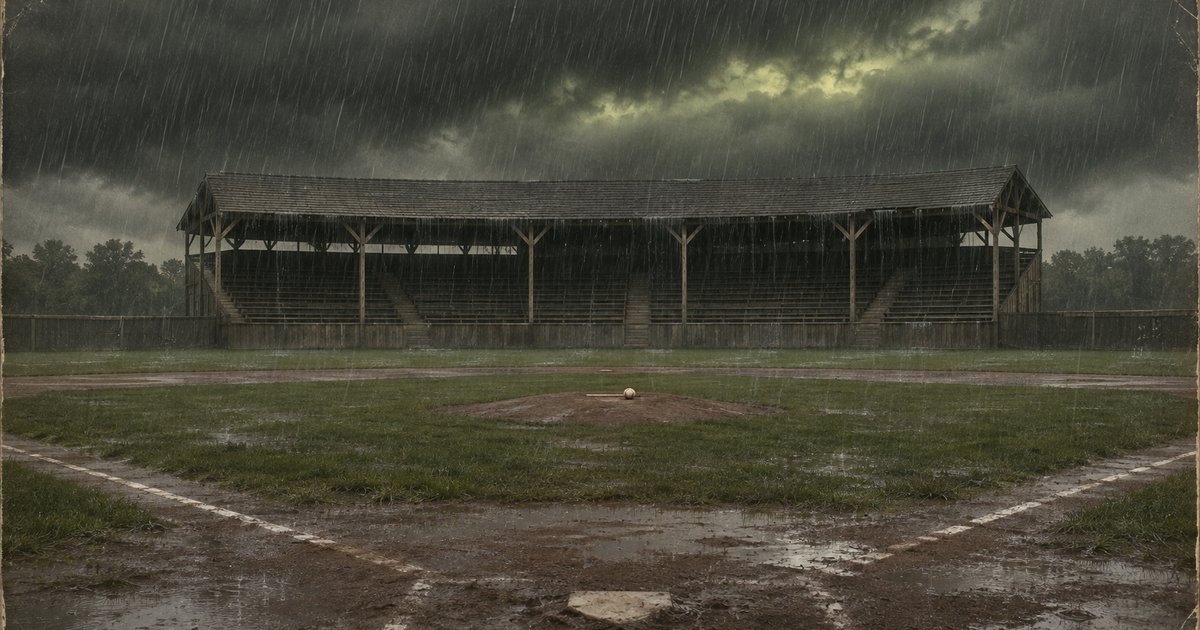
On August 24, 1919, lightning knocked Cleveland pitcher Ray Caldwell unconscious with one out left, and he returned to retire the last batter in a 2–1 win over Philadelphia, according to MLB’s August 2026 account and SABR’s 2017 game study. The final out is documented; whether lightning directly hit his body or reached him by another route remains unsettled.
What happened before the last out?
SABR’s 2017 game reconstruction places Caldwell on the mound at League Park in Cleveland on August 24, 1919, his first appearance for the club. Cleveland led the Philadelphia Athletics 2–1, and two batters were already out in the top of the ninth. Caldwell had allowed one run on four hits. The next batter, Joe Dugan, could have ended the game with an ordinary out, but a storm interrupted the at-bat. SABR says light rain had fallen since the fourth inning and became heavier when play ended.
MLB’s August 2026 account says a lightning flash within League Park knocked Caldwell unconscious. SABR’s reconstruction quotes a contemporary Sporting News report that described a flash bright enough to seem to set the diamond on fire and left the pitcher flat on the mound. The two accounts agree on the central point: lightning hit the ballpark and Caldwell collapsed while one out remained.
SABR’s 2017 account says people at the park described effects beyond the mound. The Cleveland Press reported that the flash knocked the catcher’s mask and hat away and displaced a coach’s cap; an umpire described tingling in his legs. Those details matter because they put several people and metal structures in the same electrical event.
Did Caldwell really finish the game?
Caldwell did finish. SABR’s 2017 account cites the Cleveland Plain Dealer for the final play: after getting up, he pitched to Dugan, who grounded to third baseman Larry Gardner. Cleveland won 2–1. The game account gives Caldwell a complete game with four hits allowed, three strikeouts and two walks. MLB’s 2026 retelling also identifies Dugan’s ground ball as the final out.
The finish should not be read as a model for what an injured player should do. The National Weather Service’s undated guidance for outdoor sports says a person struck by lightning needs immediate medical attention and tells bystanders to call 911. The agency says victims do not retain an electrical charge. It recommends that organizers have a lightning plan that names who monitors weather, who stops play, where people go and when they return. Caldwell’s decision belongs to a 1919 game; the NWS advice addresses a present-day response.
MLB’s Guardians no-hitters history records a separate, later accomplishment: on September 10, 1919, Caldwell held the New York Yankees hitless in a 3–0 Cleveland win. The club says it came only three starts after the lightning incident. The result does not establish that the strike helped his pitching. SABR’s biography reports he went 5–1 with a 1.71 earned run average in his Cleveland games that season.
Was it a direct lightning strike?
MLB’s August 2026 history says the route remains disputed. One account has lightning hitting a rail near the press box and moving toward the field. Another, quoted by MLB from a Cleveland history, puts the impact in the ground near the mound. Caldwell later suggested that electricity entered through the metal button on his cap, but the cap-button story was his explanation, not a measured finding. The accounts establish a serious electrical event at the ballpark; they do not establish a direct hit on Caldwell’s body.
SABR’s 2017 game study notes reports of sparks along ballpark railings and quotes lightning researcher Joseph Dwyer on how current can move through metal and along the ground. The same study quotes physician and lightning researcher Mary Ann Cooper questioning the simple cap-to-shoes story. SABR reports that Caldwell later noticed a slight chest burn, but Cooper said the mark’s shape and location would matter before assigning a path. No clinical examination or instrument record in these sources resolves that question. Calling him “struck by lightning” describes the event in ordinary language; calling it a confirmed direct strike would go beyond the evidence.
The National Weather Service’s undated account of five ways lightning strikes people explains why that distinction matters. It separates direct strike, side flash, ground current, conduction through an object and streamers. The NWS also says the exact route is not always possible to know for a victim. SABR’s railing reports make conduction plausible, while reports of an impact near the mound make ground current plausible.
What does the episode say about outdoor play?
The NWS’s undated outdoor-sports guidance says organizers should stop activity when lightning is seen, thunder is heard or skies look threatening, and it recommends a designated weather monitor who is not also the coach, umpire or referee. Its advice for outdoor events and stadiums applies to the crowd as well as the athletes. The agency says a substantial building or a closed hard-topped metal vehicle provides protection; a dugout or rain shelter does not.
The NWS also recommends a 30-minute wait after thunder before resuming activity. Modern lightning delays in youth sports assign decision-making before play resumes. Caldwell’s game ended with one more pitch after a flash, a vivid contrast to the procedure the NWS now recommends.
For decisions about outdoor play when a storm is nearby, Lightning Tracker, an iPhone app, maps recent detected lightning strikes and shows the distance and direction to the nearest one.
Not a substitute for official weather warnings.
If you hear thunder, seek shelter even if the app shows no nearby strike.
Sources
- Major League Baseball, Ray Caldwell struck by lightning while pitching
- Society for American Baseball Research, August 24, 1919: Ray Caldwell struck by lightning
- Society for American Baseball Research, Ray Caldwell biography
- Cleveland Guardians / MLB, Guardians No-Hitters
- National Weather Service, Five Ways Lightning Strikes People
- National Weather Service, Lightning Safety and Outdoor Sports Activities