 Lightning Tracker
App Store
Lightning safety
Lightning Safety Awareness Week: when it is held and what it offers
November 19, 2026 · 5 min read
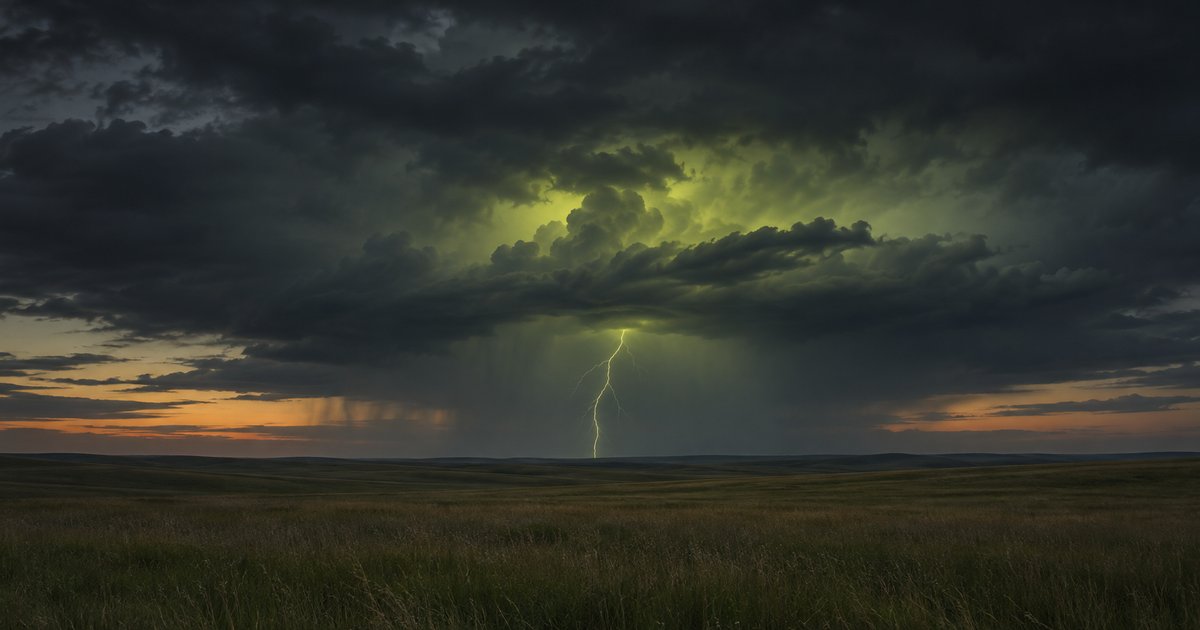
Lightning Safety Awareness Week is a yearly U.S. campaign held in the last full week of June, started by the National Weather Service in 2001. It ran June 21–27 in 2026; as of November 12, 2026, the National Weather Service had not yet posted 2027 dates on its awareness calendar. Each day has its own theme, and both organizers publish materials online.
When Lightning Safety Awareness Week is held
The National Lightning Safety Council (NLSC) describes its annual National Lightning Safety Awareness Week as the last full week of June. The weeks that the sources date for particular years are below.
| Year | Dates | Where the date appears |
|---|---|---|
| 2013 | June 23–30 | National Weather Service (NWS) public information statement of June 19, 2013 |
| 2025 | June 22–28 | NWS Paducah, Kentucky |
| 2026 | June 21–27 | NWS Paducah; the NWS awareness calendar, in its rows for Maine, Nevada, New Hampshire and New York |
The listed 2025 and 2026 weeks each ran from a Sunday to a Saturday. The 2013 notice is different: it ran eight days, from Sunday, June 23, to the following Sunday. The council describes the usual timing as the last full week of June; check the NWS calendar for a future year’s announced dates.
As of November 12, 2026, the NWS awareness calendar lists only 2026 dates for this week. Anyone planning a 2027 event should check the NWS calendar and local NWS office closer to June.
Who runs the week
The National Weather Service started the campaign in 2001. In a June 24, 2013 NOAA release, NWS lightning safety specialist John Jensenius spoke of the outreach since the NWS “began the campaign in 2001,” and the NWS notice of June 19, 2013 called that year's week the 13th, which fits a 2001 start. The NLSC's own page for the week also says it started in 2001.
The NLSC says it was established to promote lightning safety education and awareness, and that it consists of lightning safety professionals. It uses the week to work with the media, outdoor recreation organizations and government agencies. Local NWS offices carry the week as well: NWS Paducah's page for the 2026 week said the office planned daily graphics on Facebook and X, and the NWS office in Wilmington, Ohio, states the purpose of the week as educating people and raising awareness of lightning's hazards to lower the number of deaths and injuries.
The seven daily themes
The NLSC page for the week lists one topic for each day, Sunday through Saturday, and NWS Paducah's page for the 2026 week follows nearly the same order, with other content on Saturday. The table puts the two side by side as of November 11, 2026.
| Day | NLSC topic | NWS Paducah graphics, 2026 week |
|---|---|---|
| Sunday | An introduction to lightning safety | Lightning deaths over the years, all of them during an outdoor activity |
| Monday | The science of lightning and thunder | An explanation of how lightning forms, the types of flashes, positive and negative lightning, and thunder |
| Tuesday | Lightning safety outdoors | Outdoor recreation, and lightning that can strike 10 miles or more from a storm |
| Wednesday | Lightning safety indoors | A sturdy enclosed building, a metal-topped vehicle, and pets and livestock |
| Thursday | Lightning safety and sports activities | Planning for sports, and the greater exposure of workers outdoors |
| Friday | Medical effects on lightning victims | How lightning injures, and that people struck do not carry a charge |
| Saturday | Protecting your home from lightning | Three lightning myths: metal, cars and crouching |
Because the Saturday topic differs between the two pages, a school or club that builds its week around the daily themes should decide which page it follows.
What the NWS and the NLSC offer
The NWS lightning safety site says it offers animated books about lightning, safety tips for many situations, games for kids and resources for teachers. Its media page lists public service announcements, in full-page, half-page and four short versions, and stories of lightning strike victims. The NLSC's resource page links its own lightning safety videos, the NWS lightning safety brochure and a Spanish-language section. The NLSC and the NWS site each also keep a running count of 2026 lightning deaths.
For organizations, the NWS runs a Lightning Safety Toolkit program, founded in 2011 to increase lightning safety and preparedness at outdoor venues. It has six toolkits: outdoor venue, golf facility, wilderness area, community, lifeguard and beach patrol, and boating and sailing. An organization fills in a form with its local Warning Coordination Meteorologist, emails the draft plan to the local NWS office for review, and after approval can be recognized for having a written plan.
Why the week began, and what the organizers say changed
The NLSC says the week was started in 2001 to call attention to an underrated killer. The organizers have described the change since then in three different ways. A 2013 NOAA release said lightning killed an average of 73 people a year in the United States before the campaign and 37 a year since it launched, as of 2013. The NLSC page says deaths dropped from about 55 per year to about 20, and NWS Paducah's 2026 page says from about 55 to less than 30. The three statements start from different baselines, and the NLSC and Paducah pages do not state the years behind theirs, so they cannot be read as one trend.
The NLSC says the drop is believed to be largely due to greater awareness of the danger and to people seeking shelter when thunderstorms threaten. That is the organizers' view of the cause. We found no analysis on these pages that separates the effect of the week from other changes. The NWS notice for the 2013 week gave its motto as “When thunder roars, go indoors,” and told people to stay in shelter at least 30 minutes after the last sound of thunder.
Lightning Tracker, an iPhone app, shows recently detected strikes on a live map with the distance to the nearest one, and it does not replace official warnings.
Not a substitute for official weather warnings.
If you hear thunder, seek shelter even if the app shows no nearby strike.
Sources
- National Weather Service Paducah, KY, Lightning Safety Awareness Week
- National Weather Service Wilmington, OH, Lightning Safety Awareness Week
- National Weather Service, NWS Awareness and Preparedness Calendar
- National Weather Service, Lightning Safety
- National Weather Service, Lightning Safety Toolkits
- National Weather Service, Lightning Media
- National Weather Service, Public Information Statement: 2013 National Lightning Safety Awareness Week (PDF, June 19, 2013)
- NOAA, NOAA study finds fishing tops U.S. lightning death activities (June 24, 2013)
- National Lightning Safety Council, National Lightning Safety Council
- National Lightning Safety Council, Lightning Safety Awareness Week
- National Lightning Safety Council, About the National Lightning Safety Council
- National Lightning Safety Council, Lightning and Lightning Safety Resources