 Lightning Tracker
App Store
Lightning safety
A lightning plan for outdoor work
November 10, 2026 · 3 min read
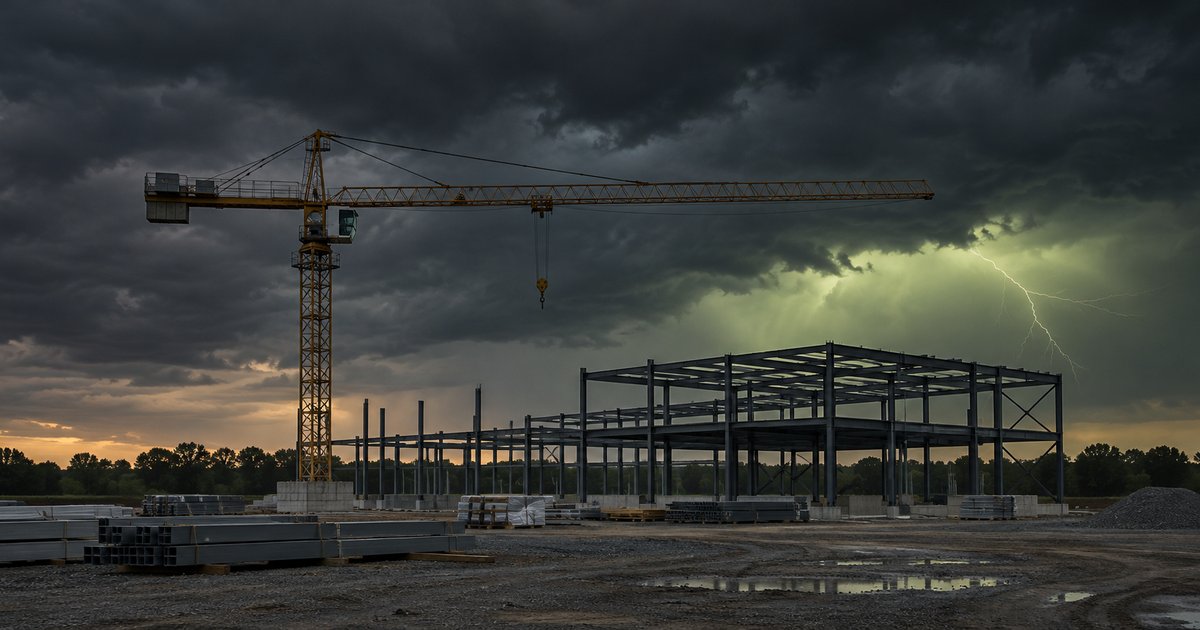
Roofers, farmhands, landscapers and construction crews cannot simply walk indoors when a storm builds; the job puts them on ladders, in fields and next to steel. OSHA and NOAA ask employers to treat lightning as an occupational hazard and to plan for it before the first storm of the season.
Who is most exposed
The OSHA and NOAA fact sheet lists the outdoor work with the highest lightning risk: logging, handling or storing explosives, operating heavy equipment, roofing, construction and scaffolding, building maintenance, power utility field repair, steel erection and telecommunications, farming and field labor, plumbing and pipe fitting, lawn and landscaping services, airport ground crews, and pool and beach lifeguarding.
The death records agree. Of 492 U.S. lightning deaths from 2006 through 2024, 95 were work related, according to the National Lightning Safety Council. Farming and ranching accounted for a quarter of those, roofing for 21 percent, construction for 17 percent and lawn care for 9 percent. About 91 percent of the workers killed were men. Who gets struck by lightning? covers the rest of the study.
Before the shift
- Check the NOAA forecast for the site before work starts, and consider rescheduling jobs that would leave people exposed when storms are expected.
- Keep watching through the day: darkening clouds and rising wind can mean a storm is building.
- Once storms look likely, don't start a task the crew cannot stop quickly.
Write the plan down
OSHA expects a written Emergency Action Plan to include a lightning protocol for outdoor workers. According to the fact sheet, it should:
- tell supervisors and workers to act on thunder, lightning or other signs of an approaching storm;
- say how workers are warned;
- name the shelters for each site;
- state how long it takes every worker to reach them;
- set out how work is suspended, and how and when it resumes;
- allow time to move customers and members of the public, not just the crew.
Workers should be trained on the plan for each site, and lightning information should be posted where they work.
Where the crew goes
A fully enclosed building with wiring and plumbing comes first. If none is close, a hard-topped metal vehicle with the windows rolled up. Sheds, pavilions, tents and covered porches do not protect anyone; where to shelter from lightning explains why. Once inside, stay off corded phones and away from plumbing and anything plugged in. Work resumes at least 30 minutes after the last thunder: why the wait restarts.
Scaffolds and cranes have rules of their own. During storms or high winds, OSHA prohibits work on or from scaffolds, crane hoisting and work on top of walls. Scaffold work and crane hoisting may continue only when a qualified person decides they can, and scaffold work also needs fall protection or wind screens.
What detection can and cannot do
Commercial lightning detection services can alert a site when lightning develops or moves within a set range, and show where strikes are landing. The fact sheet is clear about the limits: no system can detect the first strike, detect all lightning or predict where lightning will strike. Handheld detectors are less accurate still. Supervisors should keep watching the sky and listening for thunder.
Lightning Tracker works the same way. Save the job site as a place, set the alert radius by how long the farthest worker needs to reach shelter, and the app alerts you when a detected strike reaches it and starts a return wait after the last one. How to choose an alert radius shows how to work out that distance. Treat the alert as one more warning sign in the plan, never the only one.
Not a substitute for official weather warnings.
If you hear thunder, seek shelter even if the app shows no nearby strike.
Sources
- OSHA and NOAA, Fact Sheet: Lightning Safety When Working Outdoors (PDF)
- National Lightning Safety Council, J. Jensenius, A Detailed Analysis of Lightning Deaths in the United States from 2006 through 2024 (PDF, January 2025)
- National Weather Service, Lightning Tips