 Lightning Tracker
App Store
Lightning safety
Ten lightning myths, and what the facts say
November 14, 2026 · 3 min read
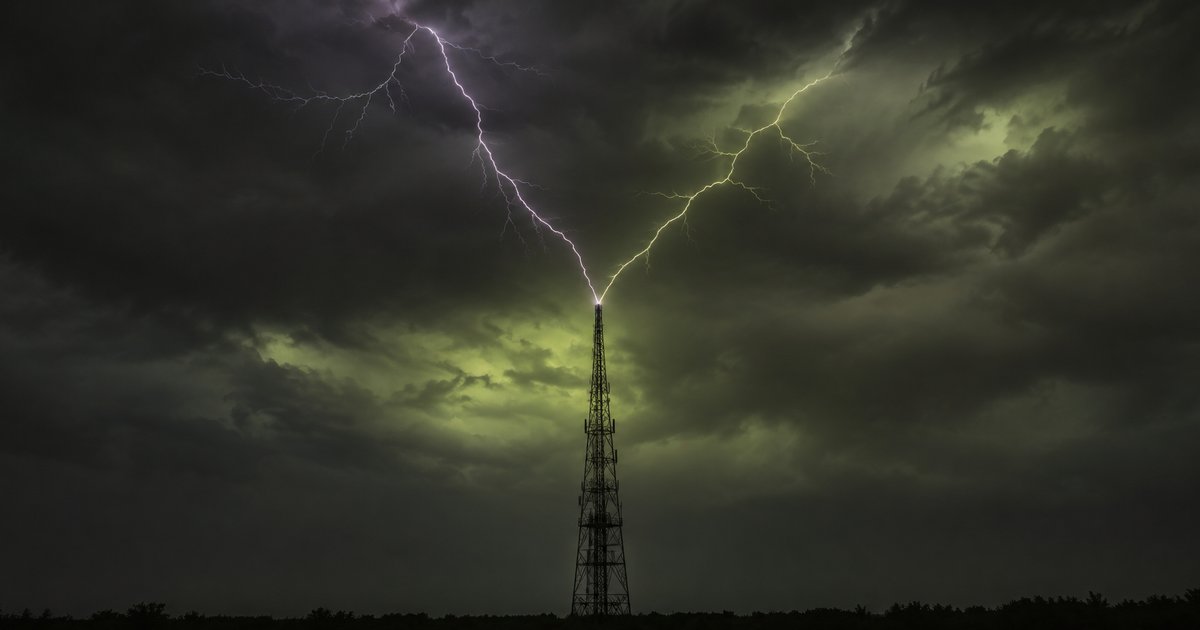
Most lightning folklore sounds reasonable, and that is the problem: each myth gives someone a reason to stay outside a little longer. The U.S. National Weather Service keeps a list of the beliefs it hears most. Here are ten of them, with what the evidence says instead.
1. Lightning never strikes the same place twice
It often does, and tall, pointed, isolated objects get hit again and again. The NWS puts the Empire State Building at about 23 strikes in an average year. A spot that was just struck is no more protected than it was a minute before.
2. No rain overhead means no lightning
Lightning regularly strikes more than three miles from the center of a storm, well outside the rain and the cloud. The NWS says the so-called bolts from the blue can land 10 to 15 miles from the thunderstorm. Blue sky above you says nothing about the storm on the horizon.
3. Finish the game, then go in
The NWS says many lightning casualties happen because people wait too long to move. The rule is to head for shelter as soon as you hear thunder, and adults are responsible for getting children there. Why wait 30 minutes covers when it is reasonable to come back out.
4. Metal attracts lightning
Where lightning lands is decided by height, a pointed shape and isolation. Metal makes no difference to that. What metal does is carry current a long way once lightning hits it, which is why the NWS tells you to stay clear of metal fences, railings and bleachers during a storm. The USC Digital Folklore Archives also records covering mirrors during a thunderstorm as a belief that mirrors attract the storm.
5. A tree keeps you dry and out of the way
Standing under a tree is the second leading cause of lightning casualties, according to the NWS. When the tree is struck, current can jump to a person standing next to it. Getting wet is the better outcome. Hunters who sit in tree stands will find when to climb down in tree stands and lightning.
6. If you're caught outside, crouch or lie flat
Crouching does not make you any better off outdoors, and lying flat makes things worse: it raises your exposure to ground current, which spreads through the soil from the strike point. The NWS advice is to keep moving toward a substantial building or a hard-topped vehicle.
7. Rubber tires protect you in a car
A hard-topped metal vehicle with the windows closed does offer protection, but it comes from the metal shell, not the tires. The NWS is direct about it: the tires do nothing for someone leaning against the car outside. NOAA's JetStream guide adds that a convertible gives no protection even with the top up, and the National Lightning Safety Council says motorcycles, bikes and golf carts should be avoided when thunderstorms are around. Where to shelter from lightning covers what does count.
8. A person struck by lightning is still electrified
The human body does not store electricity. It is fine to touch a lightning victim, and they may need first aid right away. The NWS calls this the most chilling myth on its list, because hesitation costs minutes. If someone is struck by lightning covers what to do.
9. Indoors, nothing can reach you
A house protects you when you keep away from what conducts electricity: corded phones, appliances, wiring, TV cables, computers, plumbing, and metal doors and window frames. The NWS also warns about windows: wind can throw debris through them. Inside is where you want to be, as long as you are not touching the paths current uses.
10. Lightning flashes land three or four kilometers apart
That figure came from older data. Newer measurements cited by the NWS show half of successive flashes land about 9 km apart, and a National Severe Storms Laboratory report concludes that safety rules should push the distance they treat as far enough from a previous flash out to at least 10 to 13 km, or 6 to 8 miles. A strike several miles away is close enough to act on, which matters when you choose an alert radius.
What the myths have in common
Every one of them is a reason to delay. The facts point the same way each time: when thunder starts, get to a substantial building or a hard-topped vehicle and stay there. Lightning Tracker alerts you when a detected strike reaches the radius you set, but no detection network can predict the first strike of a storm.
Not a substitute for official weather warnings.
If you hear thunder, seek shelter even if the app shows no nearby strike.
Sources
- National Weather Service, Lightning Myths
- National Weather Service, Lightning and Cars
- National Weather Service, Lightning Tips
- NOAA JetStream, Lightning Safety
- National Lightning Safety Council, Lightning and Cars
- USC Digital Folklore Archives, Mirrors attract storms and should be covered during a storm