 Lightning Tracker
App Store
Lightning safety
Thunderstorm safety: choose what to do now
November 15, 2026 · 4 min read
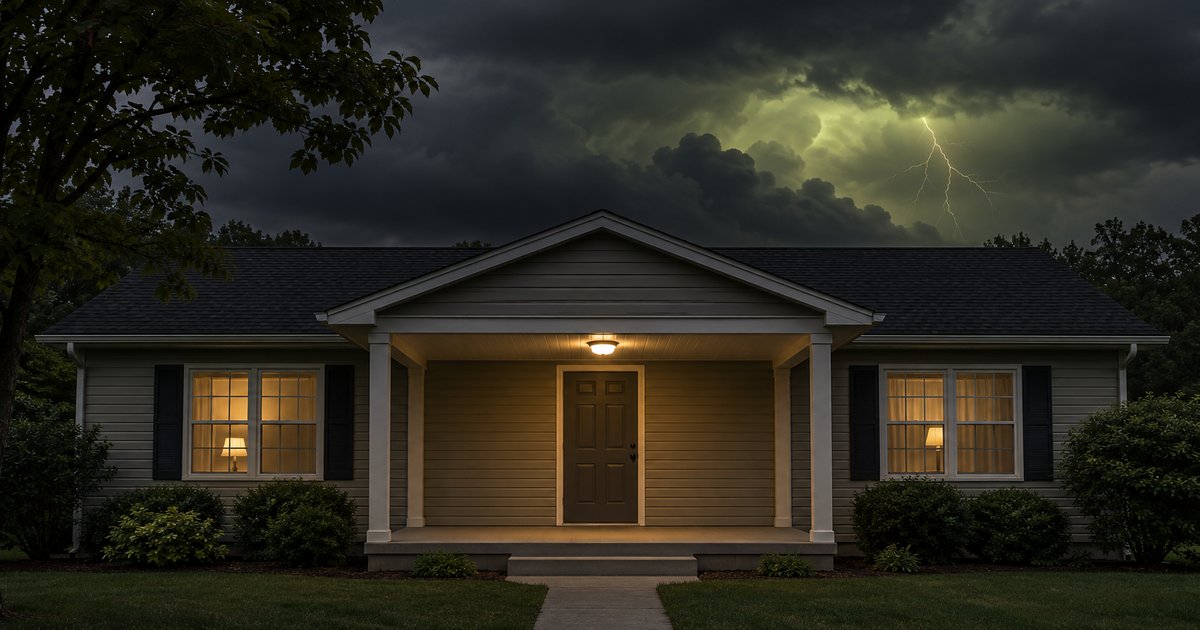
If you hear thunder, go into a substantial building or hard-topped vehicle now; the National Weather Service’s undated lightning guidance says thunder puts you within likely striking distance. Before a storm, identify that shelter and monitor the forecast. While inside, avoid plumbing and plugged-in devices; after the last lightning or thunder, wait at least 30 minutes before going back outside and keep watching for new storms.
Before the storm reaches you: identify the next shelter
The National Weather Service's undated lightning overview says to plan an outdoor activity around a place you can reach quickly if a storm threatens. Substantial buildings and hard-topped vehicles are the options; rain shelters, small sheds and open vehicles are not. If a forecast calls for thunderstorms, decide where the group will go before anyone needs to run through a storm. The distinction between buildings, vehicles and exposed structures matters when choosing a lightning shelter.
At home, the American Red Cross's undated thunderstorm guidance says to identify a sturdy building and, for high winds, a basement or small interior windowless room on the lowest level. Sign up for local emergency alerts and keep a way to monitor local weather. In the Red Cross guidance, a watch means prepare and a warning means act. These alerts address more than lightning: a severe thunderstorm warning means damaging wind or large hail may be approaching. A storm without one still brings lightning: the National Weather Service’s severe thunderstorm page says thunderstorms produce dangerous lightning.
At an event, the National Weather Service's undated outdoor sports guidance tells organizers to consult the forecast, consider postponing when storms are forecast, and follow a lightning plan. The plan identifies who monitors weather, when activity stops, where people go and when it resumes. Large groups need extra time to reach shelter, according to NWS outdoor guidance. That makes an early move part of any event evacuation decision, not an optional refinement.
At the first thunder: move, wherever you are
The National Weather Service's undated overview says that hearing thunder means you are likely within striking distance. Go into a substantial building or hard-topped vehicle; do not wait for rain or for the storm to move overhead. The agency says there is little you can do outside to substantially reduce the risk, so keep moving toward a building or vehicle rather than settling under nearby cover.
While driving, the American Red Cross's undated guidance says a vehicle is preferable to being outside, but that you should drive to the closest sturdy building if time permits. If that is not possible, pull off the road and park away from trees and power lines that could fall. The NWS counts a hard-topped vehicle as lightning shelter and an open vehicle as not; driving in a thunderstorm covers the rest of the road decisions. Never drive through floodwater, the Red Cross says.
If a severe thunderstorm warning reaches your home, the National Weather Service's undated severe-weather guidance says to go to your secure location because damaging wind or large hail may be approaching. At work or school, stay away from windows and large open rooms such as auditoriums or gymnasiums when those hazards approach.
While sheltering: stay inside and avoid conductive paths
Inside a building, the CDC's June 16, 2026 lightning guidance says lightning injuries can occur when current travels through plumbing, electrical systems or wired devices. Do not shower, wash dishes, use running water or touch devices connected to an electrical outlet during the storm. A cell phone on battery can be used; a corded phone should not. A house can still carry that current through its plumbing and wiring.
The CDC also says to stay away from windows and doors, and the National Weather Service's undated indoor guidance says to stay off balconies and porches and out of open garages. The phone and electronics choices that remain depend on whether a device is connected to an outlet.
At an event, the National Weather Service's undated outdoor sports page says the designated lightning monitor should be empowered to follow the plan and should not be the coach or referee, who have other duties. A rain shelter is still not lightning shelter, even if it keeps rain off.
After the last thunder: keep the clock and the forecast in view
The National Weather Service's undated lightning overview says to wait 30 minutes after the last lightning or thunder before returning outside. Each new flash or rumble resets the wait, because the 30 minutes run from the last one. Rain becoming lighter is not the signal to leave shelter; the agency notes that people often go out too soon when rain fades. The 30-minute wait is a minimum outdoor return rule, not a declaration that all storm hazards have ended.
Before resuming an outdoor event, the National Weather Service's undated sports guidance also says to wait at least 30 minutes after the last thunder. The agency's severe-weather aftermath guidance says to keep listening to local news or NOAA Weather Radio because more storms could follow. Check for new watches and warnings before reopening an outdoor area.
After severe weather has ended, the National Weather Service's undated aftermath guidance says to stay out of damaged buildings and contact local authorities about downed power lines. If someone was struck, the NWS says to call 911; the person carries no electrical charge and can be touched. CPR or an AED may be needed.
Lightning Tracker is an iPhone app that shows recently detected strikes and their age and distance on a live map. Its 30-minute observation wait restarts after each newly detected strike inside the chosen radius, then asks you to assess conditions yourself; it does not declare that the storm has ended. Detection can miss strikes or arrive late, so follow thunder and official warnings even when a lightning map appears quiet.
Not a substitute for official weather warnings.
If you hear thunder, seek shelter even if the app shows no nearby strike.
Sources
- National Weather Service, Overview: Lightning Safety
- National Weather Service, Lightning Indoors
- National Weather Service, Lightning Outdoors
- National Weather Service, Lightning Safety and Outdoor Sports Activities
- National Weather Service, Severe Thunderstorm Safety
- National Weather Service, What to Do During Severe Weather
- National Weather Service, What to Do After Severe Weather
- CDC, Safety Guidelines: Lightning
- American Red Cross, Thunderstorm Safety