 Lightning Tracker
App Store
Places and activities
Calgary thunderstorms and lightning: hail season, warnings and official checks
November 19, 2026 · 4 min read
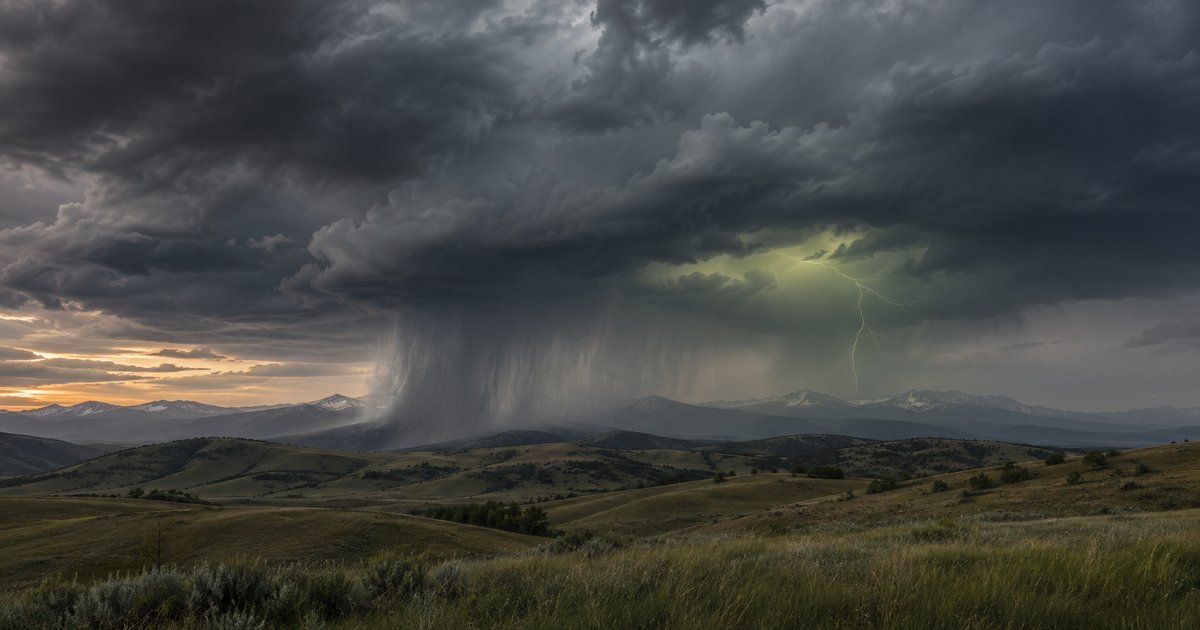
Calgary’s thunderstorm planning is a summer task, with the City of Calgary identifying June through September as its hail season. Storms also bring lightning: Environment and Climate Change Canada (ECCC) found higher historical lightning activity in parts of the Alberta foothills, including small areas along a Calgary-to-Edson line. Before an outdoor plan, check ECCC’s forecast and weather alerts for Calgary; if thunder begins, leave exposed places for shelter even when no warning or strike appears on a screen.
Why Calgary’s hail season changes outdoor plans
The City of Calgary’s “Hail in Calgary” guide identifies June to September as hail season and says severe storms in those months can bring damaging hail, heavy rainfall and strong wind. The city’s climate-hazards page calls Calgary part of Canada’s “hail alley.” Hail forms inside thunderstorm clouds, but a forecast of thunderstorms does not tell you that hail will fall at a particular address. Plan a route indoors before setting out for a park, field or reservoir.
ECCC’s 1999–2018 lightning hotspot map describes more activity east of the Rocky Mountain continental divide, especially the foothills and Swan Hills. Its table assigns 1.2 flashes per square kilometre per year to small areas in a line from Calgary to Edson. That is a long-term regional density, not a Calgary-wide count or a prediction for the next storm. NAV CANADA’s thunderstorm reference places western Canada’s greatest summer thunderstorm frequency in the southern Prairies and Alberta foothills, with a June–July peak. Calgary’s June–September hail window is broader than that peak.
Where to check Calgary warnings and lightning
ECCC publishes the official Calgary forecast and weather alerts through Canada.ca/weather and WeatherCAN. Its weather-alert guidance says a watch means conditions favor severe weather and calls for preparation, while a warning means severe weather is happening or expected and calls for action. Read the full alert for its location, timing, impacts and instructions; an alert elsewhere in southern Alberta may not describe your venue. Calgary’s emergency-information page directs residents to ECCC for weather alerts and to Alberta Emergency Alert for potentially life-threatening situations.
Alberta Emergency Alert gives the location of an emergency and the action to take. The province says Environment Canada oversees weather-related alerts, while local authorities handle hazards such as fires and floods. Alerts can arrive through television, radio, websites, the provincial app and compatible phones. Check both the ECCC notice and any emergency alert that applies to your location rather than relying on a headline alone.
ECCC’s Lightning Map is a layer on its Weather Information map and WeatherCAN. Brown circles mark actual detected ground strikes; larger circles indicate more strikes at a location. ECCC says the layer updates every minute, but the map may omit in-cloud lightning, a missed ground strike or data awaiting an update. It shows observations, not the next strike. If you hear thunder while the layer looks empty, move to shelter. Strike age and map gaps matter when interpreting any lightning display, while radar rain and lightning detections answer different questions.
What Calgary’s park and reservoir rules say
The City of Calgary’s Park n’ Play page says the outdoor program runs in community greenspaces and parks. Its notice says parents and guardians may be asked to pick up children at short notice during inclement weather, explicitly including “lightning, heavy rain, high winds.” A family arranging pickup should have a reachable adult and a shelter plan; a park program is not a reason to wait outside for a warning to appear.
The city’s Glenmore Reservoir recreation map gives an even more specific rule: “During storms or lightning, Glenmore Boat Patrol will evacuate the reservoir.” It also says the reservoir reopens 30 minutes after the last lightning strike. That is the reservoir’s operating rule, not a promise that every shoreline or boat is protected after 30 minutes. Check the city’s instructions before boating and follow Boat Patrol’s direction when it clears the water.
Hail, heavy rain and lightning can demand different immediate actions. Calgary’s hail guide says to seek shelter and stay away from windows, doors and skylights during hail. ECCC’s lightning guidance names an enclosed building with wiring and plumbing or an all-metal vehicle as shelter, and says to remain there for at least 30 minutes after the last thunder. A tent or open picnic shelter does not provide that protection; campsite shelter choices are best settled before departure. The 30-minute wait after thunder applies even if the sky appears brighter.
A practical order for a Calgary outing
Start with ECCC’s Calgary forecast and any watch or warning for the place you will visit. For an organized outdoor program, read its own weather policy and arrange a pickup contact; for Glenmore Reservoir, follow Boat Patrol’s evacuation and reopening directions. If a severe alert identifies your area, follow its instructions. The provincial emergency-alert channel adds directions during a potentially life-threatening event. This sequence separates a forecast, a warning, an observed strike and a venue rule instead of treating them as interchangeable.
Once thunder is audible, ECCC says to get to shelter promptly, regardless of whether its strike map has a dot nearby. Do not use a flash-to-bang distance estimate as permission to remain on a field or the water. Wait at least 30 minutes after the last thunder before going back outdoors, and follow any longer local closure. Lightning Tracker is an iPhone app that works in Calgary and can show recent detected strikes near your location. Its observations let you check nearby detected strikes alongside official warnings and what you hear.
Not a substitute for official weather warnings.
If you hear thunder, seek shelter even if the app shows no nearby strike.
Sources
- City of Calgary, Hail in Calgary
- City of Calgary, Climate hazards: Hail and high wind
- City of Calgary, Park n’ Play
- City of Calgary, Glenmore Reservoir recreation map
- City of Calgary, Emergency alerts and notifications
- Environment and Climate Change Canada, Map of Canada’s lightning hotspots
- Environment and Climate Change Canada, Weather Alerts
- Environment and Climate Change Canada, Lightning Map
- Government of Alberta, Emergency alerts
- Environment and Climate Change Canada, Lightning safety when camping
- NAV CANADA, Thunderstorm