 Lightning Tracker
App Store
Places and activities
Lightning by place: countries, states and cities
November 19, 2026 · 3 min read
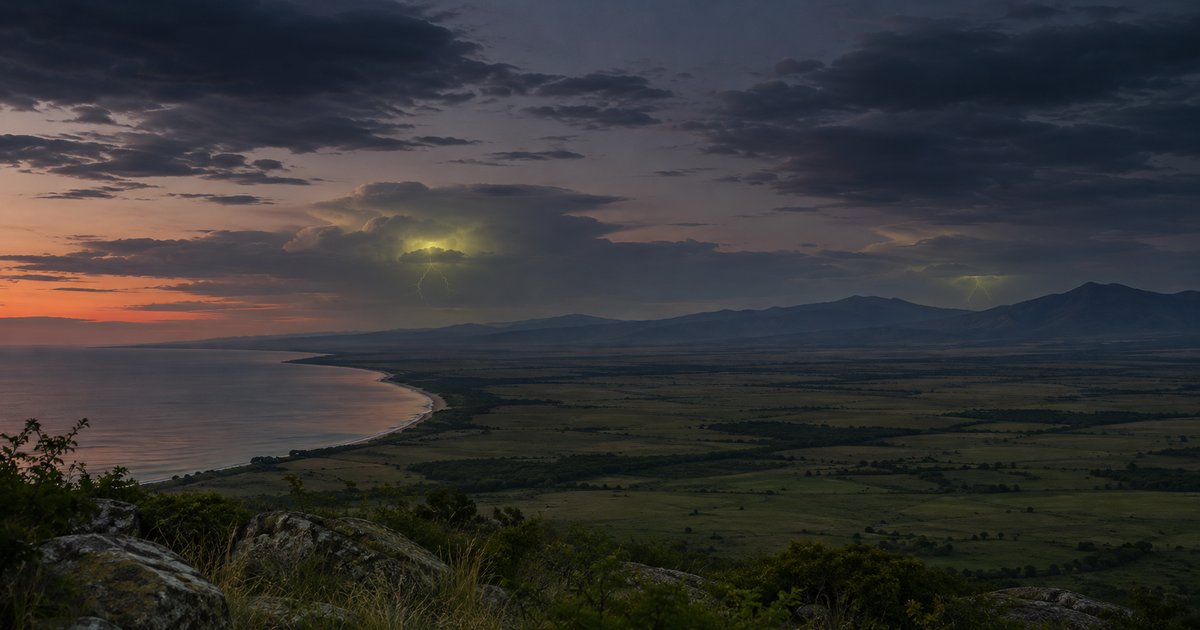
Find lightning and thunderstorm articles by country, state, province or city here. The place list below includes only guides that have been published; each guide gives dated local context and a route to official weather warnings, so you can choose a place without treating an older pattern as today’s conditions.
United States
- Lightning strikes and deaths by state: 2025 counts and NWS links 2025 lightning events and 2016–2025 deaths for all 50 states and DC, with a top five.
- Arizona When monsoon storms arrive, why rain is a poor cue, and how dry strikes start fires.
- Arkansas Fifth in the 2025 count, a Hazel Valley hotspot, and rules for school sports and pools.
- California A low statewide count, rare outbreaks, and why dry lightning matters for fire.
- Colorado Why mountain storms can build after late morning, and what the 2025 count cannot tell you.
- Denver Why an afternoon plan needs room to change, and the NWS Denver/Boulder pages to use.
- Florida What Florida’s event count and 51 recorded deaths measure, and which NWS office to use.
- Florida's lightning season Mid-May to mid-October, a July and afternoon peak, and how regions differ.
- Orlando How much lightning Orlando gets, when storms arrive, and which official pages to check.
- Tampa Bay How sea breezes steer warm-season storms, and which NWS Tampa Bay pages to check.
- Hawaii Yes, less often than on the mainland: when winter fronts and Kona storms bring them.
- New York New York’s 2025 count, seven recorded deaths, and where to check by region and city.
- Oklahoma Three Oklahoma numbers measure different things, from statewide events to local density.
- Oregon A 494,797-event statewide count, dry-season storms in southern Oregon, and fire agency checks.
- Texas Texas led the 2025 event count; what that number does and does not say about a venue.
- Houston A documented local flash pattern, and which NWS Houston/Galveston page answers what.
- Utah Utah’s 2025 event count, two recorded deaths, canyon storms and school suspension rules.
- The lightning capital of the US Which state leads by density and which by count, and why no “capital” title is official.
- Chicago June and July peaks, what Lake Michigan changes, and city beach decisions.
- Seattle Seattle does get thunder, but rarely; what the Convergence Zone can change.
Canada
- Lightning safety in Canada: risk, warnings and shelter ECCC’s casualty estimates, how alerts differ from the lightning map, and when to go inside.
- Alberta Lightning caused 34% of Alberta’s 2026 wildfires so far, plus a foothills hotspot.
- British Columbia Three official checks for strikes, alerts and wildfire, and how Vancouver differs inland.
- Vancouver An average of 12.8 lightning days a year, and what the August 2026 storm showed.
- Ontario Late April to early October storms, a southwestern hotspot, and shelter at first thunder.
- Canadian Lightning Danger Map Old danger zones gave way to an observed-strike layer on ECCC’s Weather Information map.
- Canadian Lightning Detection Network What the CLDN’s 80-plus sensors measure, and why Canada’s public map omits some flashes.
- Montreal An average of 32.5 lightning days a year near the centre, and where to check alerts.
- Winnipeg Winnipeg’s lightning days, the April to October season, and where to check ECCC alerts.
United Kingdom
- Lightning in the UK: thunderstorms and what to do What to do when thunder starts in the UK, and how to read a Met Office warning.
- UK lightning maps Which UK maps show recent strikes, and why the warning map is something different.
- Bristol When Bristol gets thunderstorms and how Met Office warnings apply to the city.
- Edinburgh Edinburgh’s likeliest storm season, and why there is no city thunder-day count here.
- Liverpool Liverpool’s May to September storm season and which Met Office pages to check.
- London When London storms are most likely and which Met Office pages to check for your plans.
- Manchester The North West’s July–August thunder peak, and which Met Office pages to check.
Australia
- Lightning in Australia: storms and warnings What the Bureau of Meteorology warns for, and why thunder alone is the cue to go inside.
- Queensland When Queensland’s storm season runs, and which official page shows warnings, radar or strikes.
- Gold Coast Gold Coast storm season, which tracker shows lightning, and how patrolled beaches close.
- Australian lightning trackers Which Australian services show detected strikes, and which show only radar and warnings.
- Adelaide What Adelaide lightning trackers show, and where the official warnings come from.
- Brisbane Brisbane’s October to March storm season, and where to check warnings, radar and strikes.
- Darwin Darwin’s wet season dates, the build-up, and the Hector storm over the Tiwi Islands.
- Melbourne When Melbourne storms are most common, and which Bureau and VicEmergency pages to check.
- Perth Why Perth’s thunderstorms are most frequent in winter, and where to check today’s.
- Sunshine Coast November storms, which official page answers which question, and patrolled beach closures.
- Sydney When Sydney’s storm season runs, and which official pages to check before outdoor plans.
New Zealand
- Lightning in New Zealand: storms and warnings Why MetService warnings often come late, and what to do when thunder threatens.
Ireland
- Thunderstorm warnings in Ireland: Met Éireann colors Yellow, Orange and Red thunderstorm warnings, the strike map, and what to do at thunder.
South Africa
- Lightning in South Africa: storms and deaths Where South Africa’s lightning is densest, what death figures count and when to shelter.
Singapore
- Lightning in Singapore: storms, alerts and shelter How often Singapore sees lightning and what the official NEA alerts tell residents.
How to use a place page
A place guide begins with the location you care about. Choose a country first, then a state or province, and then a city where a guide exists. The list is assembled from the site’s place registry when pages are released, so a country may have several local entries while another has only its national guide. A missing city means no city guide has been published here; it says nothing about whether thunderstorms occur there.
Historical figures belong to the period and area named by their source. A national total, a state ranking and a city’s seasonal pattern answer different questions. Keep the source year and geographic boundary in view when comparing them: a busy month in one city does not define a whole country, and an annual average cannot describe a particular afternoon. The U.S. patterns by place and season article gives broader context for that country without turning those older patterns into a prediction.
Place pages can explain where thunderstorms tend to form, how seasons vary, and which agency publishes warnings for a location. They cannot establish whether lightning is near you now, whether a warning is in force, or when a storm will reach your address. Open the official warning service when making a weather decision, read the issue and expiry times on its own page, and follow local instructions. If you are also viewing detected strikes elsewhere, strike age, distance and detection gaps matter when interpreting that display. A blank display cannot settle whether thunder is approaching.
Official warnings by country
These national service routes were opened on November 12, 2026; use the service for your location and read the warning detail on its own site. A national page may require another click to reach a local notice. Confirm that the area named in that notice matches your location, especially if you are near a border.
- United States: The National Weather Service shows active alerts and lets you search for a local forecast at weather.gov.
- Canada: Environment and Climate Change Canada provides an all-Canada alert table with province and territory filters.
- United Kingdom: The Met Office lists UK weather warnings and their affected areas.
- Australia: The Bureau of Meteorology has a national warnings and alerts page with routes to regional detail.
- New Zealand: MetService publishes weather warnings and watches for areas across the country.
- Ireland: Met Éireann posts warnings and advisories with county detail.
- South Africa: The South African Weather Service has an official weather warnings route.
- Singapore: The Meteorological Service Singapore lists warnings and advisories for the country.
The agencies do not use identical categories or issue the same kinds of thunderstorm products. Read the warning’s area, hazard and time instead of assuming that a color or label means the same thing across borders. If the country guide has more local links, follow those to the responsible regional service; the national links here remain a starting point.
Lightning Tracker works worldwide, including outside the United States, and can show detected strikes for your location on iPhone. Detection accuracy can vary by region, so use the official warning route for the country you are in.
Not a substitute for official weather warnings.
If you hear thunder, seek shelter even if the app shows no nearby strike.
Sources
- National Weather Service, National Weather Service
- Environment and Climate Change Canada, Weather Information
- Met Office, UK weather warnings
- Bureau of Meteorology, Warnings and alerts
- MetService, Weather Warnings & Watches
- Met Éireann, Warnings & Advisories
- South African Weather Service, Weather warnings
- South African Government, Government warns public about severe weather predictions
- Meteorological Service Singapore, Warnings and Advisories